

How light returns
Cut is the only measure shaped by people. A well-proportioned diamond returns light through the top as brightness and sparkle; a poorly cut one can look dull or smaller than its weight.
ExcellentVery GoodGoodFairPoor
The four measures that decide how a diamond looks, a short guide to coloured stones, and how to care for your jewellery.
Diamonds are described by four measures. Together they explain why two stones that look alike can differ in value.
Cut is the only measure shaped by people. A well-proportioned diamond returns light through the top as brightness and sparkle; a poorly cut one can look dull or smaller than its weight.
White diamonds are graded on a scale from D (colourless) to Z (light yellow or brown). Once set, stones in the near-colourless range look white to most eyes.
Most diamonds have tiny natural marks called inclusions. Clarity grades describe how visible they are under 10× magnification. Many are invisible to the eye.
Carat is weight: one carat is 0.2 grams. Two stones of the same weight can look different in size depending on how they are cut. Pavé and cluster pieces combine many small stones into a larger look.
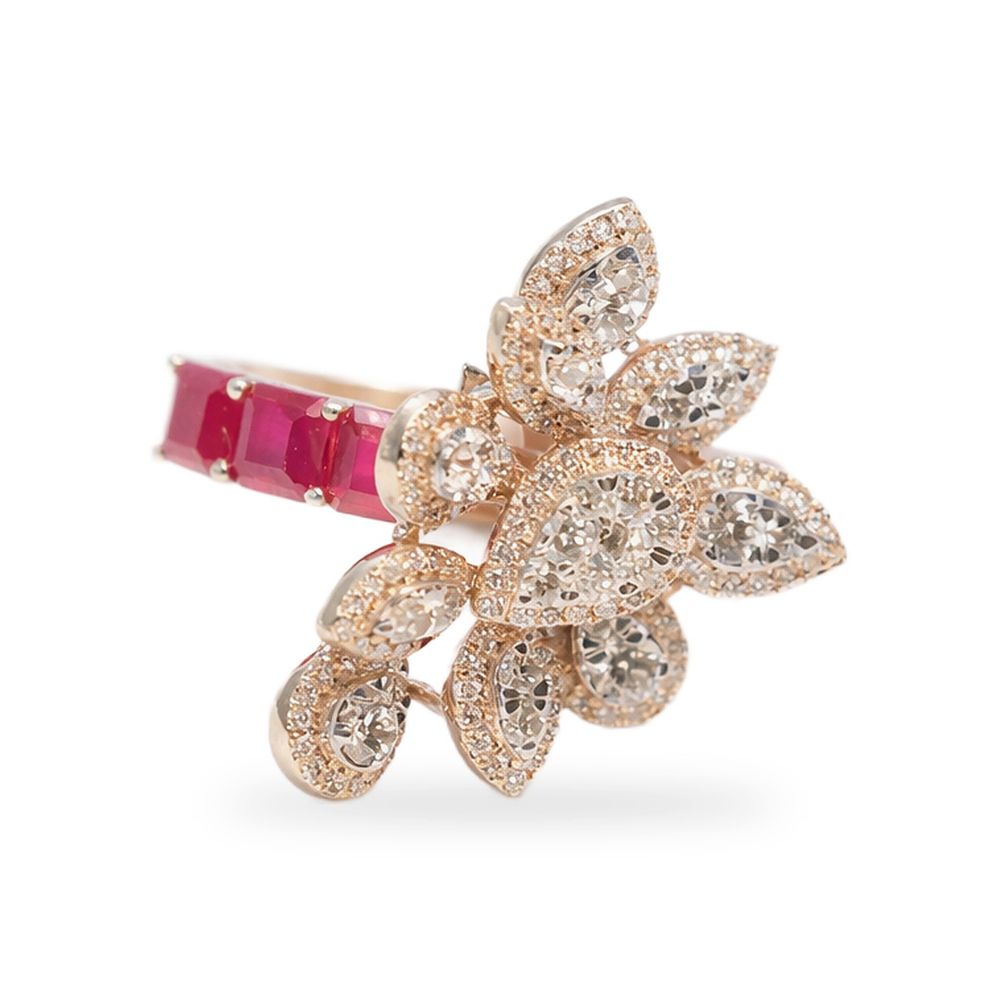
A red variety of the mineral corundum. Prized for a strong, even red; very hard and well suited to rings worn every day.
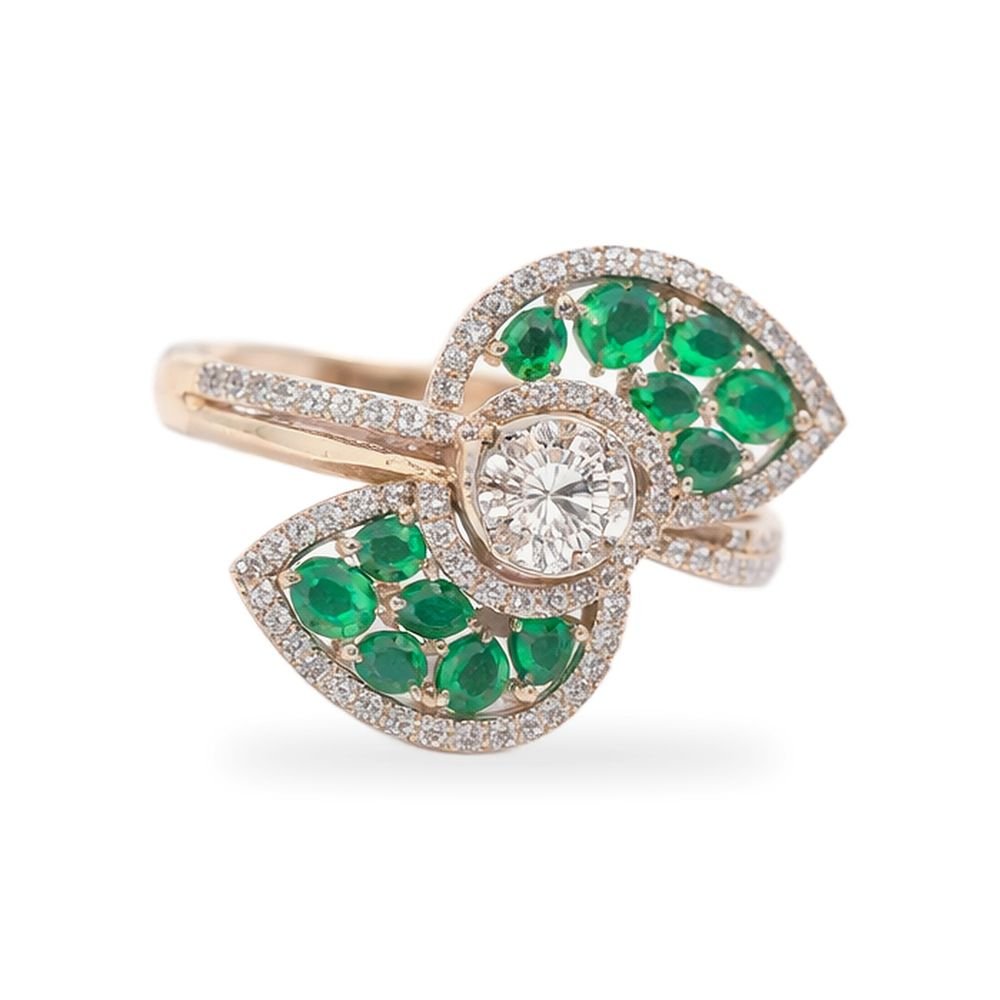
The green variety of beryl. Natural inclusions are expected and often called its "garden". Softer than ruby, so it deserves a little extra care.
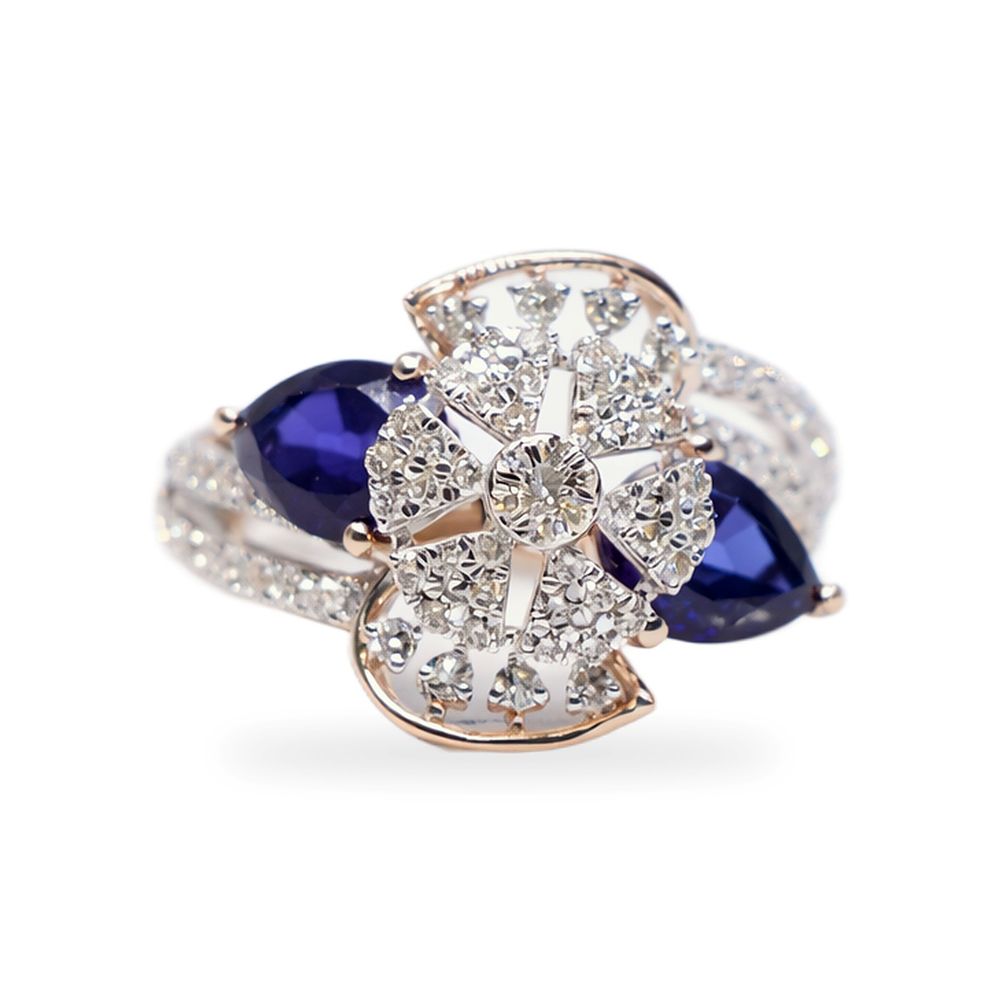
Corundum like ruby, best known in deep blue. Hard and durable, and a classic partner for white diamonds.
We are happy to explain any of this with a stone in hand. Book a viewing
Ask about any piece, sizes or a private viewing. We reply on WhatsApp and by email.